Protect Your Home: Effective Termite Control Strategies You Need to Know
Termites represent a major hazard to residential properties. The devastation they create is commonly overlooked until irreversible harm occurs. Understanding their behavior and signs of infestation is essential for homeowners. Reliable prevention methods can protect buildings and avoid expensive repairs. Unfortunately, numerous homeowners are still unfamiliar with the wide range of protective options accessible to them. Exploring these strategies can provide valuable insights into protecting one's home against these persistent pests. What actions can realistically bring about meaningful change?
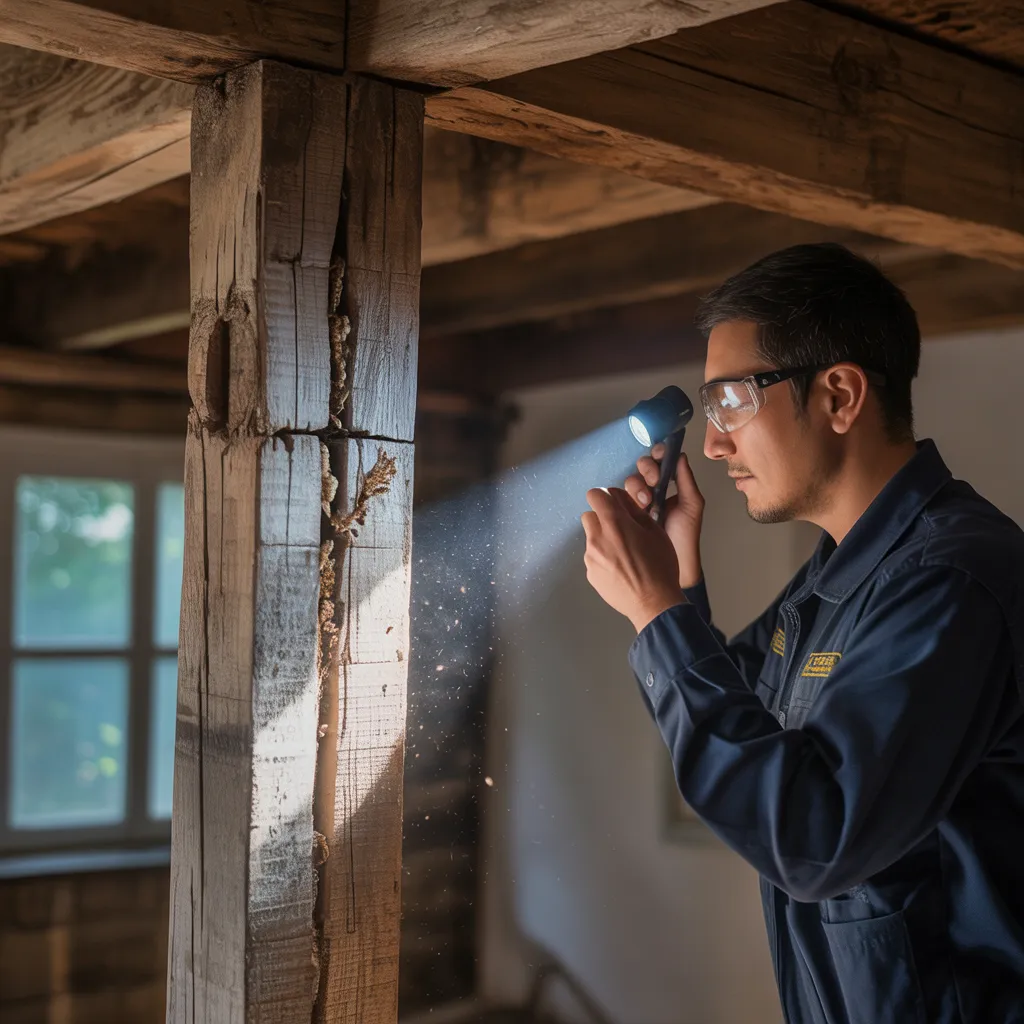
Understanding Termite Behavior and Damage
Termites, frequently called "silent destructors," pose a significant threat to structures due to their habit of consuming wood. These pests mainly consume cellulose, which is found in large quantities in various plants, wood, and paper. Their colonies can number in the millions, enabling them to devour large quantities of material rapidly. Termites typically check now operate in hidden networks, making early detection challenging and allowing significant damage to occur before warning signs appear.
Distinct species demonstrate differing behaviors; for instance, underground termites create complex tunnel systems in the earth, while drywood termites infest wooden structures directly. The damage caused can compromise the integrity of buildings, causing significant financial burden for repairs. Comprehending these behaviors is critical for both homeowners and pest management experts, as it guides the development of efficient management approaches. Recognizing the potential impact of termite activity emphasizes the importance of proactive measures in protecting buildings from these relentless insects.
Indicators That You Need Termite Control
Determining the necessity of termite control proves vital for preserving the structural integrity of your property. Key indicators include visible wood damage, the appearance of earthen tubes, and the sighting of swarms of insects. Detecting these warning signs at an early stage can assist in avoiding significant damage and expensive repairs.
Signs of Wood Damage
Wood damage serves as an essential warning sign that termite activity may be present in a home. Property owners should watch carefully for particular signs of such damage. Hollow-sounding wood can signal extensive tunneling within structural elements. Moreover, frass, a substance resembling sawdust, may gather around wooden areas, suggesting active termite feeding. Bloating or distortion of wooden materials may similarly indicate moisture infiltration and pest-related harm. Additionally, apparent fractures or grooves may emerge on wooden supports, offering further confirmation of termite infestation. Consistent evaluations of wooden components, most notably in crawl spaces and overhead areas, can aid in recognizing these warning signs at an early stage. If any of these indicators are observed, prompt action is necessary to prevent significant structural damage and costly repairs, ensuring the home remains a safe and secure environment.
Presence of Mud Tubes
Often overlooked, the appearance of mud tubes is a strong indicator that termite activity is in the vicinity. These tubes, generally built from soil, wood, and saliva, function as safe passageways for termites as they commute between their nest and food sources. Frequently discovered in basements, crawl spaces, or along walls, the tubes can vary in size and may resemble small pencil-like structures. Their existence suggests that termites are currently consuming wood within the home. Homeowners should promptly look into the matter upon discovering these tubes, as they signal a potential infestation. Disregarding their existence can lead to significant harm, making timely termite control strategies essential for defending the property against these destructive pests.
Insect Swarming Observed
When swarming insects are noticed around a property, it can be an obvious sign of a termite infestation. Generally, these swarming insects are reproductive termites, known as alates, which leave their nests to mate and create new colonies. They tend to appear during warmer months, particularly after rain, making it important for homeowners to stay alert during this period. Homeowners may mistake swarming termites for flying ants, but a closer copyrightination reveals distinct differences, such as body shape and antenna structure. Furthermore, shed wings may collect near entry points, further indicating their presence. Property owners should treat these signs seriously and consider reaching out to pest control professionals to assess the situation and apply effective termite control measures.
Best Preventive Steps to Keep Termites at Bay
Termite prevention requires a forward-thinking strategy to protect homes against potential infestations. Homeowners can take several actions to lower the risk of termite activity. First, it is vital to eliminate moisture sources, as termites are attracted to damp environments. Consistently copyrightine and address any damaged pipes or drainage systems to avoid water buildup near the foundation.
Furthermore, ensuring a proper border around the property is important. This can be managed by removing wooden debris, mulch, and additional cellulose materials from the base of the home. Households should also make sure that wood structures are at least 6 inches above the soil to limit soil contact.
Installing protective barriers, like metal mesh or sand-based barriers, can additionally discourage termites. Regular inspections by professional pest controllers can assist in identifying underlying concerns before they become serious. By adopting these preventive measures, property owners can significantly lower their exposure to termite invasions.
Key Steps for Efficient Termite Treatment
Addressing a termite infestation promptly is essential to prevent extensive damage to a home. The initial step requires recognizing the indicators of an infestation, including shed wings, mud tunnels, or wood that sounds hollow. After confirmation, property owners are advised to reach out to a qualified pest control company, as these professionals have the knowledge and equipment required for successful remediation.
In the interim, quick steps may consist of closing off entry points and lowering humidity in impacted areas, as termites tend to favor damp environments. Residents are advised to remove any wood debris or cellulose materials close to the home's foundation. Using specific insecticides can deliver interim protection while awaiting professional intervention.
Regular monitoring of the property is vital, as early detection can greatly mitigate long-term damage. By following these urgent actions, homeowners can effectively address an infestation and protect their investment from further harm.
Measuring the Impact of Natural Approaches to Termite Control?
What is the effectiveness of natural remedies at combating termite infestations? This inquiry has drawn considerable attention as homeowners look for alternatives to chemical treatments. Several natural options, such as nematodes, diatomaceous earth, and essential oils like orange oil and neem, have gained recognition for their pest-control properties. Research indicates that while these remedies are capable of reducing termite populations, their effectiveness often pales in comparison to conventional methods.
For copyrightple, nematodes have shown effectiveness in targeting termites, but their performance is contingent upon environmental conditions. Similarly, diatomaceous earth has the potential to deter termites but requires precise application to guarantee efficacy. Essential oils are capable of disrupting termite behavior, however high concentrations are frequently required to produce significant results.
When Should You Bring in the Specialists for Pest Control?
When is it essential to seek professional pest control services? Homeowners should consider calling in experts when they notice signs of a termite infestation that exceed their ability to manage. This includes visible damage to wooden structures, such as hollow-sounding wood or mud tubes along walls. Should DIY approaches not produce the desired outcome, seeking expert intervention is required. Furthermore, a large termite population or an extensive infestation suggests that the problem has grown beyond the scope of do-it-yourself methods.
For homeowners unsure about the severity of the issue, skilled pest management professionals deliver detailed inspections and informed assessments. These specialists have the equipment and expertise to detect concealed infestations and apply targeted treatments. At the end of the day, working with professionals not only secures swift responses but also establishes enduring preventative measures, defending the home from potential future infestations. Residents should make it a priority to consult qualified professionals whenever they encounter recurring or significant pest challenges.
Effective Long-Term Methods for a Home Free of Termites
Long-term strategies for maintaining a termite-free home copyright on routine inspections and careful upkeep. By spotting potential concerns ahead of time, property owners can stop infestations before they begin. Furthermore, implementing moisture control measures is essential, since termites flourish in moist conditions.
Routine Inspections and Maintenance
Routine inspections and maintenance serve a critical role in protecting homes from termite infestations and keeping them termite-free long term. Homeowners are advised to arrange routine inspections, ideally performed by a qualified pest control specialist, to detect early signs of termite activity. During these inspections, areas prone to infestations, such as basements, crawl spaces, and wooden structures need to be comprehensively evaluated. Preventive maintenance including addressing leaks, sealing cracks, and providing proper ventilation also help lower the chances of drawing termites. In addition, homeowners should ensure wood and debris are kept clear of the foundation to minimize potential nesting sites. By dedicating themselves to these preventive steps, property owners can considerably improve their defenses against termite activity, safeguarding their property for the long term.
Dampness Control Methods
Maintaining a moisture-free environment is key to preventing termite infestations, and adopting effective moisture control strategies is crucial for long-term defense. Homeowners ought to routinely check gutters and downspouts to ensure adequate drainage, directing water away from the foundation. Sealing cracks in walls and foundations can prevent moisture ingress, creating a less inviting environment for termites. In addition, placing vapor barriers in crawl spaces can significantly decrease moisture and humidity levels. It is also essential to verify that the surrounding landscaping does not permit water to collect near the base of the home. Consistent plumbing maintenance to avert leaks serves as another fundamental approach. By focusing on these moisture management strategies, homeowners can significantly lower the likelihood of termite infestations and safeguard their properties long-term.
Frequently Asked Questions
How Much Do Termite Treatments Usually Cost?
Termite treatment typically costs between $200 and $2,500, depending on the extent of the infestation, the chosen treatment approach, and the size of the property. Property owners are encouraged to request multiple bids for precise cost comparisons and informed service choices.
Will Termites Come Back Following Treatment?
Absolutely, termites may come back after treatment if not properly managed. Re-infestation may occur due to nearby colonies or inadequate treatment. Periodic evaluations and proactive precautions are vital to minimize the risk of future infestations.
Can DIY Termite Treatments Be Effective?
DIY termite treatments can be somewhat effective for minor infestations, but typically do not provide the thoroughness needed for total eradication. Professional pest management companies usually deliver more thorough solutions, providing sustained protection and management against termite activity.
Which Types of Termites Are Most Prevalent?
The most common types of termites include drywood, subterranean, and dampwood termites. Subterranean termites are common and notorious for producing considerable structural damage, as drywood and dampwood termites tend to cause more limited damage.
How Long Does a Termite Treatment Last?
Termite treatment solutions generally remain effective for between three to five years, influenced by the specific treatment approach and local environmental variables. Routine inspections and consistent upkeep can help prolong the treatment's effectiveness, ensuring ongoing protection against potential termite infestations in the future.